*“Maybe she’s not actually alone. Perhaps she’s with someone—like a partner or family—but at this moment she’s walking by herself. Someone must be taking the photo, so she’s probably not completely alone.
She could be watching the sunset. The light is low, and she might like the sea and peaceful atmosphere. Maybe she chose this place on purpose, even if the man she came with doesn’t enjoy sunsets. Maybe she regrets going with him. He could even be kind of a jerk, and she just needed a break.”*
Teacher Feedback: Excellent observations. Great use of speculation and creativity. Mentioning the photographer was especially thoughtful.
2. Do You Like Spending Time Alone?
*“It depends on the situation. Sometimes, if I need to prepare something for work or study, I need to be alone to concentrate. But usually, I enjoy being with people—talking, visiting friends.
When I’m sick, though, I prefer to be alone. I don’t want my grandparents to get sick, so I stay in my room to protect them. I also feel like I need some quiet time then.”*
3. Man Working at a Height / Scooter with 3 Riders
*“In the first picture, I think the man is working on a tall building. It looks very high, and if he loses his balance, he could fall. Maybe he’s confident or used to this kind of work, but it still looks risky.
He should wear safety gear—like a helmet, gloves, and special shoes. Also maybe a safety rope or harness. I don’t see any net or scaffold below, so it’s dangerous.”*
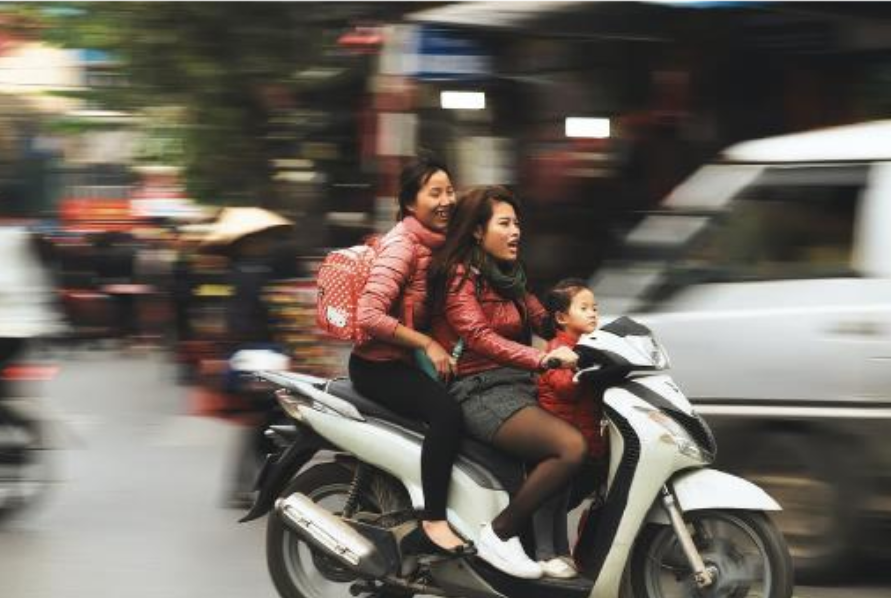
*“In the second picture, three people are riding one scooter. There’s a young woman at the back with what looks like a school bag, a woman in front—maybe the mother—and a small child standing between them. I didn’t notice the child at first, but now I see him.
They’re not wearing any helmets or protective gear. It looks very unsafe, but maybe this is their only transportation. In some countries, especially in Southeast Asia, this is quite common. They might be going to work or picking up the child from school.”*
Teacher Feedback: Strong use of detail and explanation. In the exam, aim to deliver ideas in short, clear sentences. Talk about why people might be in these situations and how they could reduce risk.
4. Sports and Injury
“It’s hard to tell what sport this is, but I see one person falling. Maybe they should wear something to protect their knees or hands. It looks dangerous. I think people should be careful with sports, especially when there’s no equipment.”
5. Painting / Graffiti
*“I like painting, but I’m not very talented, so I don’t really know how to do it. If I have to paint on my own, I don’t have ideas, and I don’t know how to start. But if I have some materials—like coloring books with numbers or letters—I enjoy it.
I think painting can affect others in different ways. For example, when children paint something at school or kindergarten, it makes people happy. It shows their creativity, and we want to encourage them.”*
*“About the mural—it could be graffiti or something legal. Some people are allowed to paint on public walls if they make something beautiful. I’ve seen a mural on a train station wall that looks like a real train with people. It was so realistic!
But sometimes graffiti doesn’t make sense to me. Maybe people do it because they want attention, or they’re angry. Some might just want to damage something. But others have a message or want to create art.”*
6. Exercising Outdoors
*“The woman in the first picture is walking in nature. Maybe she wants to be in the fresh air, look at the trees and flowers, and enjoy the quiet. Maybe she just needed to get out of the house for a while.
In the second picture, two young men are running. They might be training for a marathon or preparing for a long run. It looks like early morning or evening, and it’s better to run together, especially for safety.
They’re running on a flat surface—maybe a bridge—because running uphill is more dangerous. I think this is a special pedestrian lane.”*
“Personally, I don’t do a lot of exercise in nature, but I like biking, especially in quiet places without cars. I also enjoy working in the garden—cutting the grass, taking care of vegetables. It’s not heavy exercise, but it’s still physical and I do it in the summer.”
7. Mobile Phones
*“In the first picture, I think one man is showing the other something funny—maybe a video or some photos. They look happy and relaxed, probably sharing a joke or a memory.
In the second picture, a woman is filming something. Maybe she’s making a vlog or sharing a live video with her friends.
The third man seems successful. He’s in a nice apartment and wearing casual clothes. He might be a businessman or a tech worker, calling someone while drinking something healthy—maybe tea or medicine.”*
8. Group Work vs. Working Alone
*“It depends on the task. For a big project, like building a house, people must work together. But for small projects or when I have different ideas, it’s easier to work alone.
In the first picture, I think they are Amish people. They live a simple life and build barns together. They can build the main structure in one day.
In the last picture, people are fishing. It’s hard work, but people seem to enjoy it.”*
9. Speculating from Pictures – Final Practice Notes
*“People might be watching a concert, a sports match, or even news. It’s hard to tell, but they seem focused.
In another picture, someone might be performing in public—maybe one of those entertainers who eat fire. That could be part of a street show or a small festival.”*
Final Thoughts:
“I usually prefer working alone, but sometimes, for big projects, group work is better. In the CAE exam, I think it’s important to explain our opinions and give examples. I’m learning to observe small things in pictures and create stories or explanations from them.”
————————————————————————————————————– Practice version:
CAE Speaking Practice – Picture Description, Comparison, and Speculation
GENERAL STRATEGY REMINDERS: When answering in this part of the exam:
Take a brief moment to think before speaking.
Choose two pictures to compare in detail.
Use linking phrases like: On the one hand…, In contrast…, It seems that…, Perhaps…, They might be…
Avoid fillers like “um,” “uh,” and “you know” where possible.
Speak in complete, organized sentences.
Elaborate: imagine what the people are doing, thinking, or feeling.
Picture Practice 1: A Woman Alone on the Beach
Student: Maybe she’s not completely alone. She might be with someone—possibly a partner or family member—and just stepped away for a moment. Someone must be taking the photo, right? If she were truly alone, who would take the picture?
She might be watching the sunset. The lighting suggests that, and she could enjoy the peacefulness of the ocean. Maybe her companion doesn’t like sunsets or the beach, and she wanted to experience it by herself. Or perhaps she regrets coming there with someone who’s not appreciating it.
Teacher Feedback: Excellent speculation. Observing small visual details and forming a story around them is exactly what this part of the test asks for.
Personal Question: “Do you enjoy spending time alone?”
Student: It depends on the situation. If I need to prepare for work or study, I prefer being alone so I can focus. But generally, I like being with others, talking, visiting friends. When I’m sick, though, I’d rather be alone so I don’t infect others—like my grandparents.
Teacher: Perfect. That’s a thoughtful, relatable response. Relating the question to your real experience is key.
Picture Practice 2: Risky Situations at Work and on the Road
Student (Picture 1): This man is working on a tall building, maybe a construction site. He’s in a risky situation, and although we don’t see much safety gear, maybe he’s used to working up high. Still, he should be wearing safety equipment like a hard hat, gloves, maybe a harness or rope.
Teacher: Good—mentioning equipment is very useful here. Think of what he’s wearing, what he should be wearing, and how he might manage the risk.
Student (Picture 2): There are three people on a scooter—two women and a child. It’s dangerous: no helmets, no safety gear, and the child seems to be standing. They could be doing this because they don’t own a car, and this is their only transport. It’s common in some parts of Asia. They probably needed to get somewhere together—maybe one woman is coming from work.
Teacher: Yes, good speculation. Consider not only what’s risky, but why they might still be doing it. Also think about how they might reduce risk—slower speed, using proper seating.
Picture Practice 3: Sports and Safety
Student: In this photo, someone is falling while playing a sport. It’s hard to say what the sport is, but it looks like they’re not wearing much protection. Maybe they should wear knee pads or gloves.
Teacher: That’s fine—even if you don’t know the sport, it’s okay. Focus on the visible actions and possible risks. You can always say, “I’m not sure what sport this is, but it looks risky because…”
Picture Practice 4: Painting
Student: I like painting, but I’m not very talented. I find it hard to know what to paint when I’m alone. But I enjoy coloring books, where you fill in shapes with different colors—it’s more relaxing.
Teacher: Great! The CAE also asks you to relate these activities to your personal experience. That’s just what you’re doing here.
Speculation about graffiti mural: It could be graffiti, or it might be a legal mural. Some cities allow street artists to paint walls. Sometimes it’s beautiful, like in a train station near my home. It looks like a real train painted on the wall—very realistic. But in other cases, people just want attention or express frustration.
Question: “How might paintings affect others?”
Student: Paintings made by children can make people happy. It shows their creativity and we want to encourage them. Some modern art is hard to understand, but it might move people emotionally. Some might find it beautiful or thought-provoking.
Teacher: Yes, put yourself in the viewer’s shoes. A good answer often reflects different perspectives.
Picture Practice 5: Exercising Outdoors
Student: I think the first woman is walking in nature, maybe to relax or enjoy being outdoors. She might want a break from city life, to breathe fresh air and clear her mind.
Comparing with second image: The second picture shows young men running. They could be training for a marathon or just staying fit. It looks like early morning or evening. They’re running together, which is safer, especially for long distances. They’re also on a flat road or bridge—not in the hills—which reduces risk.
Personal Connection: I don’t exercise a lot outdoors, but I like biking in quiet places, away from traffic. I also enjoy gardening—cutting grass, growing vegetables. It’s not heavy exercise, but it’s physical activity, and I enjoy it in summer.
Picture Practice 6: Mobile Phone Use
Student (First Image): These men might be watching a funny video or sharing pictures. They look relaxed and are laughing, so it’s probably something enjoyable. Maybe they’re looking at photos from a trip or watching a short movie.
Student (Second Image): The woman seems to be recording a video or live-streaming something. She might be talking to her followers or documenting her day. It’s hard to say what’s on her screen.
Student (Third Image): This man seems wealthy or successful, judging by the apartment. He’s dressed casually, maybe working from home. He might be a tech entrepreneur, or just calling a friend. He also has a drink—maybe something for his health.
Teacher: Nice. Notice surroundings—objects, clothing, lighting. All of it helps you tell the story.
Picture Practice 7: Watching Something in Public
Teacher: You might be shown pictures of people watching something—a concert, street performance, news, or sports. Be ready to guess why they’re watching and how they might feel.
Picture Practice 8: Working Together vs. Alone
Student: In some projects, it’s better to work alone, especially when your ideas are very different from others. But in big projects, like building a house, you need teamwork.
Teacher: Yes. And for this image—the barn raising—that’s a real cultural practice among the Amish in the U.S. They build large barns together in one day. Great example of collaboration.
Final Notes
Teacher: The most important skills here are:
Describing clearly what you see
Speculating about people’s motivations or feelings
Making comparisons
Relating to your own life
You don’t need to be an expert. Just stay calm, organized, and thoughtful. Let the pictures help you tell a story.
—————————————————————————————————–
CAE Speaking Preparation Part 2 — Student Response Rephrasing
1. Woman Alone on the Beach
*“Maybe she’s not actually alone. Perhaps she’s with someone—like a partner or family—but at this moment she’s walking by herself. Someone must be taking the photo, so she’s probably not completely alone.
She could be watching the sunset. The light is low, and she might like the sea and peaceful atmosphere. Maybe she chose this place on purpose, even if the man she came with doesn’t enjoy sunsets. Maybe she regrets going with him. He could even be kind of a jerk, and she just needed a break.”*
Teacher Feedback: Excellent observations. Great use of speculation and creativity. Mentioning the photographer was especially thoughtful.
2. Do You Like Spending Time Alone?
*“It depends on the situation. Sometimes, if I need to prepare something for work or study, I need to be alone to concentrate. But usually, I enjoy being with people—talking, visiting friends.
When I’m sick, though, I prefer to be alone. I don’t want my grandparents to get sick, so I stay in my room to protect them. I also feel like I need some quiet time then.”*
3. Man Working at a Height / Scooter with 3 Riders
*“In the first picture, I think the man is working on a tall building. It looks very high, and if he loses his balance, he could fall. Maybe he’s confident or used to this kind of work, but it still looks risky.
He should wear safety gear—like a helmet, gloves, and special shoes. Also maybe a safety rope or harness. I don’t see any net or scaffold below, so it’s dangerous.”*
*“In the second picture, three people are riding one scooter. There’s a young woman at the back with what looks like a school bag, a woman in front—maybe the mother—and a small child standing between them. I didn’t notice the child at first, but now I see him.
They’re not wearing any helmets or protective gear. It looks very unsafe, but maybe this is their only transportation. In some countries, especially in Southeast Asia, this is quite common. They might be going to work or picking up the child from school.”*
Teacher Feedback: Strong use of detail and explanation. In the exam, aim to deliver ideas in short, clear sentences. Talk about why people might be in these situations and how they could reduce risk.
4. Sports and Injury
“It’s hard to tell what sport this is, but I see one person falling. Maybe they should wear something to protect their knees or hands. It looks dangerous. I think people should be careful with sports, especially when there’s no equipment.”
5. Painting / Graffiti
*“I like painting, but I’m not very talented, so I don’t really know how to do it. If I have to paint on my own, I don’t have ideas, and I don’t know how to start. But if I have some materials—like coloring books with numbers or letters—I enjoy it.
I think painting can affect others in different ways. For example, when children paint something at school or kindergarten, it makes people happy. It shows their creativity, and we want to encourage them.”*
*“About the mural—it could be graffiti or something legal. Some people are allowed to paint on public walls if they make something beautiful. I’ve seen a mural on a train station wall that looks like a real train with people. It was so realistic!
But sometimes graffiti doesn’t make sense to me. Maybe people do it because they want attention, or they’re angry. Some might just want to damage something. But others have a message or want to create art.”*
6. Exercising Outdoors
*“The woman in the first picture is walking in nature. Maybe she wants to be in the fresh air, look at the trees and flowers, and enjoy the quiet. Maybe she just needed to get out of the house for a while.
In the second picture, two young men are running. They might be training for a marathon or preparing for a long run. It looks like early morning or evening, and it’s better to run together, especially for safety.
They’re running on a flat surface—maybe a bridge—because running uphill is more dangerous. I think this is a special pedestrian lane.”*
“Personally, I don’t do a lot of exercise in nature, but I like biking, especially in quiet places without cars. I also enjoy working in the garden—cutting the grass, taking care of vegetables. It’s not heavy exercise, but it’s still physical and I do it in the summer.”
7. Mobile Phones
*“In the first picture, I think one man is showing the other something funny—maybe a video or some photos. They look happy and relaxed, probably sharing a joke or a memory.
In the second picture, a woman is filming something. Maybe she’s making a vlog or sharing a live video with her friends.
The third man seems successful. He’s in a nice apartment and wearing casual clothes. He might be a businessman or a tech worker, calling someone while drinking something healthy—maybe tea or medicine.”*
8. Group Work vs. Working Alone
*“It depends on the task. For a big project, like building a house, people must work together. But for small projects or when I have different ideas, it’s easier to work alone.
In the first picture, I think they are Amish people. They live a simple life and build barns together. They can build the main structure in one day.
In the last picture, people are fishing. It’s hard work, but people seem to enjoy it.”*
9. Speculating from Pictures – Final Practice Notes
*“People might be watching a concert, a sports match, or even news. It’s hard to tell, but they seem focused.
In another picture, someone might be performing in public—maybe one of those entertainers who eat fire. That could be part of a street show or a small festival.”*
Final Thoughts:
“I usually prefer working alone, but sometimes, for big projects, group work is better. In the CAE exam, I think it’s important to explain our opinions and give examples. I’m learning to observe small things in pictures and create stories or explanations from them.”